 Skip-the-line available
 The Best Time to Visit Paestum
When to see the Doric temples at their best — month-by-month crowds and weather, and why time of day matters so much on an open, unshaded site.
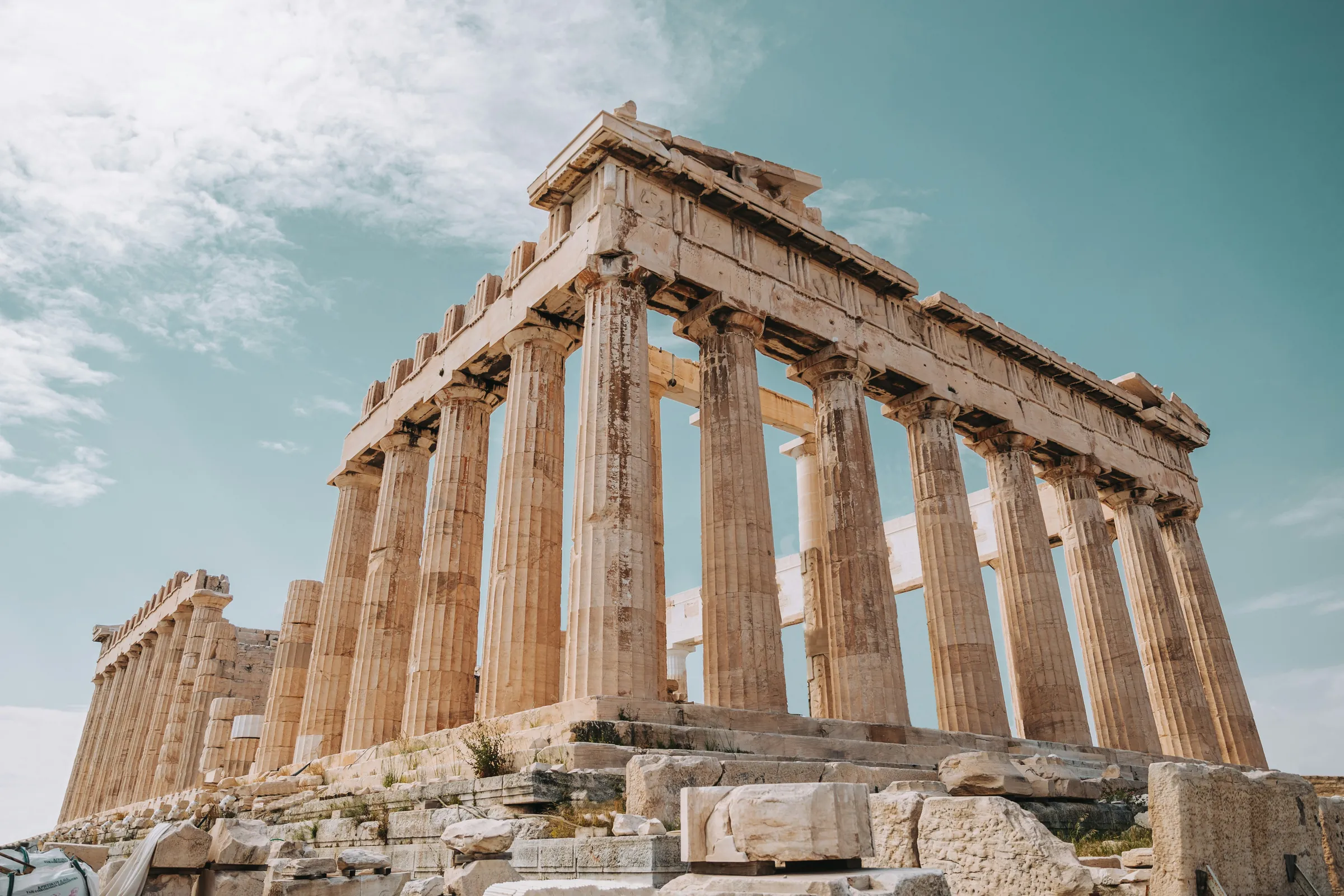
Paestum rewards good timing more than most archaeological sites, for one simple reason: it is flat, open and almost entirely without shade, so the difference between a 9am visit in May and a 1pm visit in August is the difference between magic and misery. The three Doric temples also photograph completely differently depending on the light. Because the ticket is open and valid for three days, you have real freedom to choose your day and your hour. This guide breaks down the seasons, the daily rhythm of heat and crowds, and how to use the light to see the temples at their finest.
Season by Season
Spring (April to June) is the best overall time to visit Paestum: warm but not fierce, the surrounding plain green, wildflowers across the site, and the famous Paestum roses in bloom. Crowds are moderate and far lighter than at Pompeii or on the Amalfi Coast. Autumn (September to October) is just as good — the summer heat has broken, the light is beautiful, and visitor numbers thin out after the Italian holidays. These shoulder seasons are when the open site is most comfortable to walk slowly, which is the only way to do it justice.
Summer (July and August) is hot and the busiest period, though Paestum never feels crowded the way Pompeii does. The key in summer is timing: visit the temples in the first hours after opening or in the late afternoon and use the middle of the day for the air-conditioned museum or a long lunch. Winter (November to March) is quiet and can be lovely — clear light, near-empty temples, and the lowest prices and crowds of the year — but hours are shorter and some days can be wet, so check conditions and plan a flexible day.
Why Time of Day Matters So Much
On an open, unshaded site, the hour you arrive shapes the whole experience. The best windows are the first two hours after opening (from around 08:30) and the last two before close. Early morning gives you cool air, soft light and near-empty temples before the tour groups and day-trippers arrive; late afternoon brings the heat down and the low sun turns the limestone a deep honey-gold. The midday hours, especially in summer, are hot, bright and flat — bearable, but the worst light and the warmest air. Because your ticket is valid three days with no time slot, you are free to plan around exactly these windows.
A practical pattern that works in any warm-weather season: arrive at opening, walk the three temples and the Greek-Roman city while it's cool and quiet, then move into the museum for the Tomb of the Diver during the hotter middle of the day, and — if you have the time and the 3-day ticket — return to the temples briefly at golden hour for photographs. If you're visiting Velia as well, do it on a separate day, ideally also in the cooler hours, as it too is an exposed coastal site. The single biggest mistake visitors make is arriving at midday in July with no water and no hat.
Crowds, Events and Roses
Paestum is one of the calmer major sites in Campania, but it still has busier and quieter rhythms. Weekends and Italian public holidays bring more domestic visitors, and tour-group traffic from Naples, Sorrento and the Amalfi Coast tends to arrive mid-morning and cluster around the two Temples of Hera. Weekdays, and the first and last hours of the day, are noticeably quieter. The free-admission Sundays that Italian state museums periodically offer can be much busier than usual, so if you value quiet, those are days to avoid rather than seek out.
Paestum was renowned in antiquity for roses that bloomed twice a year, a fame that survives in the local identity today, and spring is when the site is at its most floral and green. The area also hosts cultural events through the year — concerts and re-enactments among the temples, and archaeology-themed gatherings — which can be atmospheric but also draw crowds; check the official site's calendar if you want to catch one or steer clear. For most visitors, the simplest advice holds: a weekday morning in spring or autumn is Paestum at its absolute best.
Frequently asked
What is the best month to visit Paestum?
April to June and September to October are ideal — warm but not fierce, green surroundings, good light and lighter crowds. July and August are hot and busiest; winter is quiet and atmospheric but with shorter hours.
What time of day should I go?
Early morning just after opening (around 08:30) or late afternoon. The site is open and unshaded, so midday summer heat is intense and the light is flat. Early and late are cooler and far better for photography.
Is Paestum very crowded?
Much less than Pompeii or the Amalfi Coast. Tour groups cluster mid-morning around the Temples of Hera; weekday mornings and the last hours of the day are quietest. Free-admission Sundays can be unusually busy.
How does the 3-day ticket help with timing?
It lets you split your visit across the cooler hours and even across days — temples at golden hour, museum in the heat of midday — without buying again, and to add Velia on a separate day.
Is winter a good time to visit?
It can be lovely — clear light, near-empty temples and low prices — but hours are shorter and some days are wet. Check conditions and keep the day flexible.
When are the Paestum roses in bloom?
Spring is the most floral and green time on the site, reflecting Paestum's ancient fame for twice-blooming roses. It's one more reason April to June is the prime season.
How long should I plan for the visit?
Allow 2.5 to 3 hours for the temples, the city and the museum. Add about half a day for Velia if you're using the full 3-day ticket.