 Skip-the-line available
 Paestum vs Pompeii: Which Should You Visit?
An honest comparison of southern Italy's two great archaeological sites — Greek temples versus a Roman town, crowds, time and how to do both.
If you're in Campania with a taste for archaeology, two sites dominate the choice: Pompeii and Paestum. They are often mentioned together but they are utterly different experiences — Pompeii is an entire Roman town frozen mid-life by Vesuvius; Paestum is about monumental Greek architecture, three of the best-preserved Doric temples in the world, plus a unique painted tomb. This guide compares them honestly on what you see, the crowds, the time each needs, and whether — and how — to do both.
Two Completely Different Sites
Pompeii and Paestum tell different stories from different civilisations. Pompeii is a complete Roman town of streets, houses, shops, baths and frescoes, buried by the eruption of Vesuvius in AD 79 and preserved as a snapshot of everyday Roman life — its power is in scale and detail, the sense of walking through a real town caught mid-existence. Paestum is older and Greek: founded around 600 BC as Poseidonia, its three great Doric temples (c. 550–450 BC) are among the best-preserved in the world, and its museum holds the Tomb of the Diver, the only complete Greek figurative painting of its era. Where Pompeii is breadth, Paestum is monumental focus.
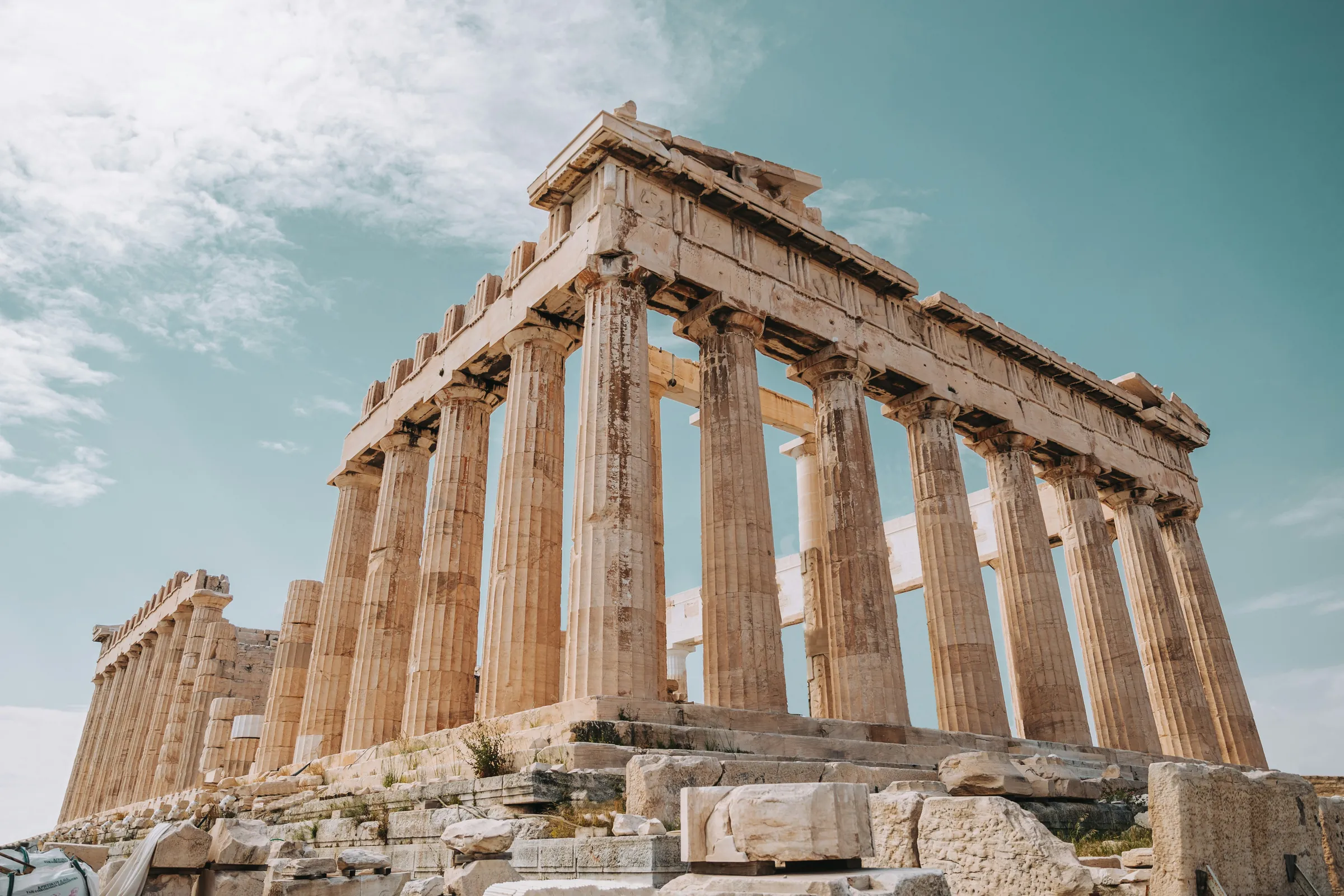
The visual experience differs just as much. Pompeii is vast — you could walk for a day and not see all of it — and largely roofless ruins at the level of walls and streets. Paestum is compact and dominated by three near-complete temples standing tall against the sky, far more architecturally intact than almost anything at Pompeii. If you want to understand how Romans lived, Pompeii is unmatched; if you want to stand before complete Greek temples and the dawn of European monumental architecture, Paestum delivers what Pompeii cannot.
Crowds, Time and Comfort
The crowd difference is dramatic. Pompeii is one of the most-visited sites in Italy, drawing millions a year, and in peak season it is genuinely crowded, with queues and busy highlights. Paestum, despite its quality, sees a fraction of that and often feels calm even in summer — you can have a temple almost to yourself early in the day. For visitors who find big-site crowds wearing, Paestum offers a far more peaceful encounter with the ancient world. Both sites are largely open and unshaded, so summer heat is a factor at each, but Paestum's smaller scale makes it easier to time around the cool hours.
On time, Pompeii needs at least half a day and rewards a full one; Paestum's temples, city and museum take about 2.5 to 3 hours, with Velia available on the same 3-day ticket for those who want more. That makes Paestum the easier of the two to fit into a busy itinerary, and the open ticket adds flexibility Pompeii's timed entries don't. Pompeii is closer to Naples and the Amalfi Coast; Paestum is about 40 minutes south of Salerno. Neither is a substitute for the other — they're complementary rather than competing.
Which to Choose — or How to Do Both
Choose Pompeii if you want the immersive experience of a whole Roman town, with houses, frescoes and the human story of the eruption, and you don't mind crowds. Choose Paestum if you want monumental Greek architecture at its best-preserved, a calmer and more contemplative visit, and the unique Tomb of the Diver — and if quiet and architectural grandeur matter more to you than breadth. For first-time visitors to Campania who can only do one, the honest answer depends on taste: Pompeii for the famous, immersive Roman town; Paestum for the finest Greek temples and far fewer crowds.
If you have the days, do both — but on separate days, not together. They are about an hour and a half apart, each deserves real time, and combining them in one day shortchanges both and means a lot of driving. A common pattern is Pompeii (and perhaps Vesuvius or Herculaneum) from a Naples or Sorrento base, then Paestum from Salerno or the Cilento on another day, ideally with Velia and a buffalo-mozzarella lunch. Seeing both gives you the two great chapters of southern Italy's ancient past — Greek and Roman — at their respective best.
Frequently asked
Is Paestum or Pompeii better?
They're different, not better or worse. Pompeii is an immersive whole Roman town; Paestum is about the best-preserved Greek Doric temples and a unique painted tomb, with far fewer crowds. Choose by taste — immersive Roman life, or monumental Greek architecture and quiet.
Which is less crowded?
Paestum, by a wide margin. Pompeii draws millions a year and is genuinely crowded in peak season; Paestum often feels calm even in summer, and you can have a temple almost to yourself early in the day.
Can I do both in one day?
Not recommended. They're about 1.5 hours apart and each deserves real time. Do them on separate days — Pompeii from Naples or Sorrento, Paestum from Salerno or the Cilento.
Which takes longer to see?
Pompeii needs at least half a day and rewards a full one. Paestum's temples, city and museum take about 2.5 to 3 hours, with Velia available on the same 3-day ticket if you want more.
Which is better preserved?
For standing architecture, Paestum — its three Doric temples are far more complete than almost anything at Pompeii. For a whole town's layout and daily-life detail, Pompeii is unmatched.
Which is easier to reach?
Pompeii is closer to Naples and the Amalfi Coast and very well connected. Paestum is about 40 minutes south of Salerno by car or train. Both are easy independently; Paestum is quieter on arrival.
Should I see Paestum if I've already seen Pompeii?
Yes — they're complementary. Pompeii shows Roman daily life; Paestum shows monumental Greek architecture and the unique Tomb of the Diver. Together they cover the two great chapters of southern Italy's ancient past.